S&C
Blk 338 AMK Ave 1, #01-1647
TeL 6552 5208
Close at 7-8pm
Not much showpieces but lots of up to date catalogues
Mostly from China
Price normally 20%-50% cheaper than other furniture shop
Showing posts with label Carpentry and Furniture. Show all posts
Showing posts with label Carpentry and Furniture. Show all posts
Wednesday, January 21, 2009


Sunday, August 24, 2008
Pant Rack
Anyone have any idea where I can get the metal pants rack that can be mounted inside the wardrobe?
-Ikea
-Howards Storage at Parkway Basement1
-Some hardware stores that sells door handles, drawer tracks etc
Mould on Furniture : Maintenance
This is a cure that I've found to be quite effective so far. Wipe away all the mould spores with WHITE VINEGAR. Leave the cupboard to dry for 3 days before putting back all your clothes. Leave a dehumidifier inside.
I've had problems with mouldy cupboards ever since I started living alone back in 2002. So trust me on this one. You better wear a mask during cleaning though, because the vinegar smell can realli sting your nose.
Try to air the cupboards like once a week or something. Ventilate the room properly. Buy better-quality wood furniture (this one I'm guilty of infringing, that's why I'm so experienced).
*********
put charcoal.
it can remove smell + moisture.
ntuc got sell those charcoal alike packed in nice packaging.. can use those, usually it is placed together with those purifiers..
*********


my entire bedroom set (dressing table & chair, side tables, bedframe, wardrobe) bought from LEE FURNISHINGS in Tanjong Katong Complex all get mouldy everywhere...only bought for less than 4 mths..so disgusting!!!!!!!!!!!!!!!!
i got asked some ppl regarding this, they comment is becos of insufficient chemical treatment of the wood, hence will become mouldy...which is very not ethical in doing business like this...
Just use a dry cloth or magic clean paper to clean it off and it'll disappear for a few months.
Also try using the dehumidifiers like Thirsty Hippo inside.
**********
Dear all, I tried vinegar, and the result is not as good.
Therefore, my most effective mehthod would be:
(A) get a pail of water, (half filled),
(B) add in a few drops of of chlorine (those white bleach for clothes).
(C)Please remember to wear gloves to protect your hands.
(D) After that, dip a piece of cloth into that pail of water, and then remove the excess water from the cloth and start wiping the cupboard and mouldy furniture.
(E)then change to a pail of clean water, and wipe again to remove and "trail" of chlorine on the furniture again.
Ever since I did that, the mould have stop growing.
But please remove all clothings etc before wiping the cupboard. and allow the cupboard to dry up completely before putting your clothings into the cupboard.
Hope my method works for you too.
*******
hihi...seagal, me nowadays always went to S&C Furniture at AMK (thru recommendations frm forum) to buy furnitures...they gt big variety of furnitures...probably u can chk wif the boss there (Melvin)...
*******
If you have time,use lacquer or treat the surface with oil or something which you can purchase from hardware shop, try 'Home Fix, probably it's not thick enough.
i suspect it's the IKEA compressed wood furniture.
I've had problems with mouldy cupboards ever since I started living alone back in 2002. So trust me on this one. You better wear a mask during cleaning though, because the vinegar smell can realli sting your nose.
Try to air the cupboards like once a week or something. Ventilate the room properly. Buy better-quality wood furniture (this one I'm guilty of infringing, that's why I'm so experienced).
*********
put charcoal.
it can remove smell + moisture.
ntuc got sell those charcoal alike packed in nice packaging.. can use those, usually it is placed together with those purifiers..
*********
my entire bedroom set (dressing table & chair, side tables, bedframe, wardrobe) bought from LEE FURNISHINGS in Tanjong Katong Complex all get mouldy everywhere...only bought for less than 4 mths..so disgusting!!!!!!!!!!!!!!!!
i got asked some ppl regarding this, they comment is becos of insufficient chemical treatment of the wood, hence will become mouldy...which is very not ethical in doing business like this...
Just use a dry cloth or magic clean paper to clean it off and it'll disappear for a few months.
Also try using the dehumidifiers like Thirsty Hippo inside.
**********
Dear all, I tried vinegar, and the result is not as good.
Therefore, my most effective mehthod would be:
(A) get a pail of water, (half filled),
(B) add in a few drops of of chlorine (those white bleach for clothes).
(C)Please remember to wear gloves to protect your hands.
(D) After that, dip a piece of cloth into that pail of water, and then remove the excess water from the cloth and start wiping the cupboard and mouldy furniture.
(E)then change to a pail of clean water, and wipe again to remove and "trail" of chlorine on the furniture again.
Ever since I did that, the mould have stop growing.
But please remove all clothings etc before wiping the cupboard. and allow the cupboard to dry up completely before putting your clothings into the cupboard.
Hope my method works for you too.
*******
hihi...seagal, me nowadays always went to S&C Furniture at AMK (thru recommendations frm forum) to buy furnitures...they gt big variety of furnitures...probably u can chk wif the boss there (Melvin)...
*******
If you have time,use lacquer or treat the surface with oil or something which you can purchase from hardware shop, try 'Home Fix, probably it's not thick enough.
i suspect it's the IKEA compressed wood furniture.
Malaysia Furniture Shop
1. Rozel by JKL Furnishing,
L2-L4, Blk E,
Complex Lian Hoe,
Taman Sentosa.
Tel: 07-3358850
2. Lot, L2-JA5, Southern City Hypermarket,
No. 3, Jalan Suria 19, Taman Suria,
81100 Johor Bahru (restaurant's address).
The furniture shops are on the 2nd level
3. VENZO
no 2, 2A, 2B, Jalan Sri Putra 1, Bandar Putra,
81000 Kulai. Johor.
4. "Le Tien"
Wisma Yong Lip Yen
Jalan Masai Lama
near Plentong Giant
triangular building next to Toyota Showroom
Opening : 10.30am - 9.00pm (daily)
7%GST plus RM260levy charges (The manager waived the levy for me ^^).
607-3512142
Jan 2007
I had to pay 5% GST (in RM), RM200 levy, RM60 for custom form on top of the furniture price. i was exempted from paying delivery charges of RM300 because i purchased above RM6000.
Hi, i had check another furniture shop from kulai ( johor) which have delivery to singapore. They need charge the delivery ( if full lorry it's Rm700 as i remember, less items less delivery charge, start from rm200 onwards), Custom fees Rm100, install fess RM50+ GST.
Then we went to another shop which's we had ask before, purcharce more then RM2000 free delivery fess and levy fees.
L2-L4, Blk E,
Complex Lian Hoe,
Taman Sentosa.
Tel: 07-3358850
2. Lot, L2-JA5, Southern City Hypermarket,
No. 3, Jalan Suria 19, Taman Suria,
81100 Johor Bahru (restaurant's address).
The furniture shops are on the 2nd level
3. VENZO
no 2, 2A, 2B, Jalan Sri Putra 1, Bandar Putra,
81000 Kulai. Johor.
4. "Le Tien"
Wisma Yong Lip Yen
Jalan Masai Lama
near Plentong Giant
triangular building next to Toyota Showroom
Opening : 10.30am - 9.00pm (daily)
7%GST plus RM260levy charges (The manager waived the levy for me ^^).
607-3512142
Jan 2007
I had to pay 5% GST (in RM), RM200 levy, RM60 for custom form on top of the furniture price. i was exempted from paying delivery charges of RM300 because i purchased above RM6000.
Hi, i had check another furniture shop from kulai ( johor) which have delivery to singapore. They need charge the delivery ( if full lorry it's Rm700 as i remember, less items less delivery charge, start from rm200 onwards), Custom fees Rm100, install fess RM50+ GST.
Then we went to another shop which's we had ask before, purcharce more then RM2000 free delivery fess and levy fees.
Wednesday, August 13, 2008
Furniture Shops : Must Visit
Silver River (but a lot of bad reviews)
Brighton
Nova
Novena
The Green
Furniture Warehoue
Ikea
Courts (mayb, but definitely ot Courts Finest)
Brighton
Nova
Novena
The Green
Furniture Warehoue
Ikea
Courts (mayb, but definitely ot Courts Finest)
Saturday, August 9, 2008
What to Save, What to Spend
Windows:
SPEND ON: The curtains
Don’t be tempted to go for cheap fabric as it will show. Whether you choose silk, linen or a weave, make sure it’s good quality and drapes evenly. Don’t try to save money by buying less fabric, either – cutting down on the fullness of your curtains will just spoil the effect. Pay attention to getting the style of the heading right, too – for e.g. go for simple eyelet headings in a contemporary setting, or extra-deep pencil pleats in a more traditional scheme.
TIP: Lining your curtains will add to your cost, but is essential to add fullness and weight to your fabric, making it hang better. Lining also protects fabric from sunlight.
SAVE ON: The curtain pole
If your curtains look beautiful, you don’t need a fancy pole so you can cut costs by choosing a simple design. Metal or wrought-iron poles tend to be cheaper than wooden ones, though just as sturdy, and come in a range of colours and finishes. Think about the proportions of the window – with smaller windows you can get away with using a narrower (and therefore cheaper) pole.
TIP: For a touch of glamour, add decorative finials to a plain pole – they’re less expensive than the whole pole.
Lights:
SPEND ON: The lamp base
A lamp is a key finishing touch in a room, so invest in a good-quality lamp base in a classic style that won’t date. Choose one that is non-specific in colour – glass or crystal is ideal – so it can be teamed with cheaper lampshades in different styles and colours.
TIP: Look for quality fittings such as metal holders, woven flexes and sliding switches – inexpensive white plastic fittings are a big quality giveaway.
SAVE ON: The lampshade
The shade you choose can completely change the look of the lamp, making it bold and flamboyant or simple and understated. Be brave – if you tire of it, it won’t cost much to replace. Modern drum-shaped shades give a contemporary look and are inexpensive to buy, whether in plain white cotton or colourful silks. Or follow fashion with one of the latest punchwork shades, featuring intricate lacy designs punched out of card. They look stylish and are good value, too. Pick a shade that is in proportion with your base – as a rough guide, the diameter of your shade should be equal to the length of the lamp base (not including the bulb fitting).
TIP: Use the bulb wattage recommended by the base and shade manufacturers – if the wattage differs, opt for the lower of the two. A bulb with too high a wattage could blow fuses or cause a fire.
Seating:
SPEND ON: The sofa
A good-quality sofa should last 10 to 15 years, so spend as much as you can afford. Invest in a design with classic features and hardwearing neutral upholstery that will stand the test of time. Make sure it’s well constructed – a zigzag sprung model with a hardwood frame is a good option for both strength and comfort. Choose a fibre fill with a foam core for the sofa back as it’s soft yet supportive; keep its shape and need less plumping. A fibre and feather mix is soft, but needs regular plumping, which is tricky with any fixed sections.
TIP: To keep your sofa looking good, invest in a stain-protection treatment when you buy it.
SAVE ON: The cushions
Accessories like cushions are great finishing touches, and you don’t need to spend a fortune to get that wow factor. Look for the latest high-street buys to keep your living room looking bang up to date.
TIP: If you’re buying them at a bargain price, go for a pile of cushions rather than one or two, to create a more luxurious look.
The floor:
SPEND ON: The carpet
Laying new carpet is not something you’ll do often, so it pays to buy as good a quality carpet as you can afford. Neutrals and natural weaves are an obvious choice rather than bold shades and patterned designs that can date. Areas of heavy wear will need a hard-wearing carpet, such as an 80/20 wool/nylon mix. In areas like bedrooms, a lighter grade, less hard-wearing carpet will be fine – and cheaper, too.
TIP: Good quality underlay will prolong the life of your carpet. Don’t try to cut costs by fitting new carpet over old underlay or by choosing cheap underlay.
SAVE ON: The rug
A rug is a brilliant way to add impact. It’s easy to pick up a stunning design at a reasonable price, which makes it simple to replace when you want a new look.
TIP: Choose a rug that will suit the room’s scale – a small version will look lost in the middle of a big living room, but if you use it for a purpose – to unite furniture in front of a fireplace or TV, for example – it will work.
Sleeping:
SPEND ON: The mattress
Buy the best-quality mattress you can, as an inferior one will sag. Your choice depends on your budget, but a good mid-priced option is a continuous-sprung mattress rather than an open-sprung design as the interwoven coils are smaller, giving a higher spring count and a more responsive feel. For ultimate comfort, opt for a pocket-sprung mattress, where springs in individual pockets work independently so there’ll be no transmission of movement from one partner to the other.
TIP: You can also buy sprung mattresses with a foam layer that moulds to the contours of your body.
SAVE ON: The bed
If you’ve invested in a good-quality mattress, you can afford to economise on the bed frame, but this doesn’t mean you have to compromise on quality. Avoid designs with rigid wooden slats that are widely spaced, as they will cause wear and tear on your mattress. For comfort, opt for flexible slats no more than 9 to 10cm apart.
TIP: Mattress manufacturers recommend slat spacing to suit their own mattresses, so check the bedstead is compatible before you buy.
SPEND ON: The pillows
At worst, a cheap pillow will give you a stiff neck or persistent headaches. Invest in a good-quality pillow that will hold your head, neck, shoulders and upper back in a straight line. The filling and firmness you choose depends on personal preference, but synthetic-filled pillows come in a variety of softnesses (keep to branded fibres for quality), are easy to wash and keep their shape. Down and feather versions are plumper and softer – opt for these if you like to sink into your pillow.
TIP: Make sure you’re sleeping in a healthy environment by replacing your pillows at least every two to three years to avoid a build-up of skin and dust mites.
SAVE ON: The bed linen
When it comes to bed linen, it is looks that are important. Most stores sell sets at reasonable prices, so you can afford to replace them without blowing your budget. Top-quality Egyptian cotton looks fabulous, but it can be a nightmare to iron, so opt for easy-iron sets (usually a polycotton mix) instead – they’re much less pricey, too.
TIP: Buy inexpensive sets in plain toning colours so you can layer the look.
Kitchen:
SPEND ON: The handles
It’s often the details that make all the difference – the plainest kitchen units can be transformed with smart new handles. Invest in a good design – even though the price per handle might seem expensive, quality fittings really do stand out.
TIP: Choose high-quality materials such as pewter, chrome, leather and resin for a superior-looking finish.
SAVE ON: The doors
As long as the carcasses of your kitchen units are solidly made, you can economise when you’re updating by replacing the doors with budget buys. The plainer and simpler the design, the cheaper the doors will be. What’s more, unfussy styles with minimal detailing are far less likely to date than high-fashion styles.
TIP: Opt for inexpensive plain white doors rather than cheap wooden ones – it’s more difficult to spot that they’re not top quality. They’re more versatile, too – white looks great with just about every colour scheme.
Bathrooms:
SPEND ON: The taps
Quality taps will lift the look of an average suite or bathroom. Remember, they are working parts, too, so a superior design will be less likely to go wrong. High-quality materials such as chrome will also stay tarnish-free.
TIPS: Try taps out in the showroom – if the handle or spout wobbles when you turn them on, they’re of a lesser quality.
SAVE ON: The basin
Keep to clean lines and classic styles – with simple shapes, it’s hard to differentiate a top-end basin from a lower-priced option.
TIP: Shop around for a bargain – you don’t have to get your taps and basin from the same supplier.
Dining:
SPEND ON: The chair
Quality is vital when you’re choosing dining chairs as they come under more strain than the table. Hardwood frames are the most durable. Fabrics suitable for chairs need to have passes the 25,000 ‘rub test’, so check this is marked. Nylon glides on the feet will protect the chair and the floor, and are a good indicator of quality.
TIP: The chair should be wider than the gap between your elbows when placed on the table (52cm to 56cm). There should be around 18cm to 20cm between the seat and the underside of the table.
SAVE ON: The table
A ridiculously cheap table is a false economy as you’ll only get what you pay for. But a good table need not be expensive – check that it’s strong and feels well made. Wood tables are the sturdiest and have the advantage that a damaged top can be sanded back and re-varnished.
TIP: Table heights range from 73.5cm to 77cm and over, so make sure any existing chairs will fit comfortable under it. There should be at least 60cm of space for each diner on a rectangular table, or 75cm on a circular table.
SPEND ON: The curtains
Don’t be tempted to go for cheap fabric as it will show. Whether you choose silk, linen or a weave, make sure it’s good quality and drapes evenly. Don’t try to save money by buying less fabric, either – cutting down on the fullness of your curtains will just spoil the effect. Pay attention to getting the style of the heading right, too – for e.g. go for simple eyelet headings in a contemporary setting, or extra-deep pencil pleats in a more traditional scheme.
TIP: Lining your curtains will add to your cost, but is essential to add fullness and weight to your fabric, making it hang better. Lining also protects fabric from sunlight.
SAVE ON: The curtain pole
If your curtains look beautiful, you don’t need a fancy pole so you can cut costs by choosing a simple design. Metal or wrought-iron poles tend to be cheaper than wooden ones, though just as sturdy, and come in a range of colours and finishes. Think about the proportions of the window – with smaller windows you can get away with using a narrower (and therefore cheaper) pole.
TIP: For a touch of glamour, add decorative finials to a plain pole – they’re less expensive than the whole pole.
Lights:
SPEND ON: The lamp base
A lamp is a key finishing touch in a room, so invest in a good-quality lamp base in a classic style that won’t date. Choose one that is non-specific in colour – glass or crystal is ideal – so it can be teamed with cheaper lampshades in different styles and colours.
TIP: Look for quality fittings such as metal holders, woven flexes and sliding switches – inexpensive white plastic fittings are a big quality giveaway.
SAVE ON: The lampshade
The shade you choose can completely change the look of the lamp, making it bold and flamboyant or simple and understated. Be brave – if you tire of it, it won’t cost much to replace. Modern drum-shaped shades give a contemporary look and are inexpensive to buy, whether in plain white cotton or colourful silks. Or follow fashion with one of the latest punchwork shades, featuring intricate lacy designs punched out of card. They look stylish and are good value, too. Pick a shade that is in proportion with your base – as a rough guide, the diameter of your shade should be equal to the length of the lamp base (not including the bulb fitting).
TIP: Use the bulb wattage recommended by the base and shade manufacturers – if the wattage differs, opt for the lower of the two. A bulb with too high a wattage could blow fuses or cause a fire.
Seating:
SPEND ON: The sofa
A good-quality sofa should last 10 to 15 years, so spend as much as you can afford. Invest in a design with classic features and hardwearing neutral upholstery that will stand the test of time. Make sure it’s well constructed – a zigzag sprung model with a hardwood frame is a good option for both strength and comfort. Choose a fibre fill with a foam core for the sofa back as it’s soft yet supportive; keep its shape and need less plumping. A fibre and feather mix is soft, but needs regular plumping, which is tricky with any fixed sections.
TIP: To keep your sofa looking good, invest in a stain-protection treatment when you buy it.
SAVE ON: The cushions
Accessories like cushions are great finishing touches, and you don’t need to spend a fortune to get that wow factor. Look for the latest high-street buys to keep your living room looking bang up to date.
TIP: If you’re buying them at a bargain price, go for a pile of cushions rather than one or two, to create a more luxurious look.
The floor:
SPEND ON: The carpet
Laying new carpet is not something you’ll do often, so it pays to buy as good a quality carpet as you can afford. Neutrals and natural weaves are an obvious choice rather than bold shades and patterned designs that can date. Areas of heavy wear will need a hard-wearing carpet, such as an 80/20 wool/nylon mix. In areas like bedrooms, a lighter grade, less hard-wearing carpet will be fine – and cheaper, too.
TIP: Good quality underlay will prolong the life of your carpet. Don’t try to cut costs by fitting new carpet over old underlay or by choosing cheap underlay.
SAVE ON: The rug
A rug is a brilliant way to add impact. It’s easy to pick up a stunning design at a reasonable price, which makes it simple to replace when you want a new look.
TIP: Choose a rug that will suit the room’s scale – a small version will look lost in the middle of a big living room, but if you use it for a purpose – to unite furniture in front of a fireplace or TV, for example – it will work.
Sleeping:
SPEND ON: The mattress
Buy the best-quality mattress you can, as an inferior one will sag. Your choice depends on your budget, but a good mid-priced option is a continuous-sprung mattress rather than an open-sprung design as the interwoven coils are smaller, giving a higher spring count and a more responsive feel. For ultimate comfort, opt for a pocket-sprung mattress, where springs in individual pockets work independently so there’ll be no transmission of movement from one partner to the other.
TIP: You can also buy sprung mattresses with a foam layer that moulds to the contours of your body.
SAVE ON: The bed
If you’ve invested in a good-quality mattress, you can afford to economise on the bed frame, but this doesn’t mean you have to compromise on quality. Avoid designs with rigid wooden slats that are widely spaced, as they will cause wear and tear on your mattress. For comfort, opt for flexible slats no more than 9 to 10cm apart.
TIP: Mattress manufacturers recommend slat spacing to suit their own mattresses, so check the bedstead is compatible before you buy.
SPEND ON: The pillows
At worst, a cheap pillow will give you a stiff neck or persistent headaches. Invest in a good-quality pillow that will hold your head, neck, shoulders and upper back in a straight line. The filling and firmness you choose depends on personal preference, but synthetic-filled pillows come in a variety of softnesses (keep to branded fibres for quality), are easy to wash and keep their shape. Down and feather versions are plumper and softer – opt for these if you like to sink into your pillow.
TIP: Make sure you’re sleeping in a healthy environment by replacing your pillows at least every two to three years to avoid a build-up of skin and dust mites.
SAVE ON: The bed linen
When it comes to bed linen, it is looks that are important. Most stores sell sets at reasonable prices, so you can afford to replace them without blowing your budget. Top-quality Egyptian cotton looks fabulous, but it can be a nightmare to iron, so opt for easy-iron sets (usually a polycotton mix) instead – they’re much less pricey, too.
TIP: Buy inexpensive sets in plain toning colours so you can layer the look.
Kitchen:
SPEND ON: The handles
It’s often the details that make all the difference – the plainest kitchen units can be transformed with smart new handles. Invest in a good design – even though the price per handle might seem expensive, quality fittings really do stand out.
TIP: Choose high-quality materials such as pewter, chrome, leather and resin for a superior-looking finish.
SAVE ON: The doors
As long as the carcasses of your kitchen units are solidly made, you can economise when you’re updating by replacing the doors with budget buys. The plainer and simpler the design, the cheaper the doors will be. What’s more, unfussy styles with minimal detailing are far less likely to date than high-fashion styles.
TIP: Opt for inexpensive plain white doors rather than cheap wooden ones – it’s more difficult to spot that they’re not top quality. They’re more versatile, too – white looks great with just about every colour scheme.
Bathrooms:
SPEND ON: The taps
Quality taps will lift the look of an average suite or bathroom. Remember, they are working parts, too, so a superior design will be less likely to go wrong. High-quality materials such as chrome will also stay tarnish-free.
TIPS: Try taps out in the showroom – if the handle or spout wobbles when you turn them on, they’re of a lesser quality.
SAVE ON: The basin
Keep to clean lines and classic styles – with simple shapes, it’s hard to differentiate a top-end basin from a lower-priced option.
TIP: Shop around for a bargain – you don’t have to get your taps and basin from the same supplier.
Dining:
SPEND ON: The chair
Quality is vital when you’re choosing dining chairs as they come under more strain than the table. Hardwood frames are the most durable. Fabrics suitable for chairs need to have passes the 25,000 ‘rub test’, so check this is marked. Nylon glides on the feet will protect the chair and the floor, and are a good indicator of quality.
TIP: The chair should be wider than the gap between your elbows when placed on the table (52cm to 56cm). There should be around 18cm to 20cm between the seat and the underside of the table.
SAVE ON: The table
A ridiculously cheap table is a false economy as you’ll only get what you pay for. But a good table need not be expensive – check that it’s strong and feels well made. Wood tables are the sturdiest and have the advantage that a damaged top can be sanded back and re-varnished.
TIP: Table heights range from 73.5cm to 77cm and over, so make sure any existing chairs will fit comfortable under it. There should be at least 60cm of space for each diner on a rectangular table, or 75cm on a circular table.
Friday, July 11, 2008
To Buy List
necessities will be
1. washing machine (and dryer for some)
2. tv
3. fridge
4. stove (gas or electric, hood for some)
5. a HTS (only dvd player or dvd player with speakers or dvd player and 5.1 system)
6. water heater (instant or storage, gas or electric)
optional
7. electric kettle
8. microwave
9. oven
10. rice cooker
11. air-con or fan
fittings (assuming you not change original fittings)
1. kitchen sink
2. kitchen tap
3. lights
4. mirrors for bathrooms
5. bathroom accessories
furnishings
1. bedframe and mattress
2. sofa (with coffee / side table
3. bookcase
4. wardrobe (off the shelf or customised)
5. study table
6. dining set
7. tv console
8. shoe cabinet
9. dresser
10. misc stuff (display console / cabinet, stools, foldable chairs, MJ table, study chair etc)
misc
1. home telephone (if you are installing)
2. clothes hangers
3. cutlery / knifes / plates & bowls
4. mop / broom / pails
5. bamboo / aluminium pole for hanging clothes
1. washing machine (and dryer for some)
2. tv
3. fridge
4. stove (gas or electric, hood for some)
5. a HTS (only dvd player or dvd player with speakers or dvd player and 5.1 system)
6. water heater (instant or storage, gas or electric)
optional
7. electric kettle
8. microwave
9. oven
10. rice cooker
11. air-con or fan
fittings (assuming you not change original fittings)
1. kitchen sink
2. kitchen tap
3. lights
4. mirrors for bathrooms
5. bathroom accessories
furnishings
1. bedframe and mattress
2. sofa (with coffee / side table
3. bookcase
4. wardrobe (off the shelf or customised)
5. study table
6. dining set
7. tv console
8. shoe cabinet
9. dresser
10. misc stuff (display console / cabinet, stools, foldable chairs, MJ table, study chair etc)
misc
1. home telephone (if you are installing)
2. clothes hangers
3. cutlery / knifes / plates & bowls
4. mop / broom / pails
5. bamboo / aluminium pole for hanging clothes
Wednesday, July 9, 2008
Furniture : Website
Accents on Accents - http://www.accents.com.sg
Air Division - http://www.airdivision.net/
B&B (in UK) - http://www.bebitalia.it/beb/home/home_uk.asp
Barang Barang - http://www.barang.com.sg
Cellini - http://www.cellini.com.sg/
City Furniture - http://www.cityfurniture.com.sg/
Eurosa - http://www.eurosafurniture.com/
HTL International - http://www.htlinternational.com/
Ikea - http://www.ikea.com.sg/
KODA Ltd - http://www.kodaonline.com/
Manhattan Loft (Overseas) - http://www.manhattanloft.com/
Massimo Sofas - http://massimmo.com/
OM Sofa - http://www.om-home.com/OM.htm
Piece of Mine - http://www.pieceofmine.com.sg/en/home/
Picket & Rail - http://www.picketandrail.com/
Scanteak - http://www.scanteak.com.sg/main.html
Star Furniture Group - http://www.starfurn.com/main.aspx
The Furniture Mall - http://www.tfm.com.sg
The Home Merchant - http://www.thehomemerchant.com/index.html
The Shophouse - http://www.theshophouse.com/
Urban Foundry - http://www.urban-foundry.com/
V.Hive - http://www.v.hive.com.sg
Air Division - http://www.airdivision.net/
B&B (in UK) - http://www.bebitalia.it/beb/home/home_uk.asp
Barang Barang - http://www.barang.com.sg
Cellini - http://www.cellini.com.sg/
City Furniture - http://www.cityfurniture.com.sg/
Eurosa - http://www.eurosafurniture.com/
HTL International - http://www.htlinternational.com/
Ikea - http://www.ikea.com.sg/
KODA Ltd - http://www.kodaonline.com/
Manhattan Loft (Overseas) - http://www.manhattanloft.com/
Massimo Sofas - http://massimmo.com/
OM Sofa - http://www.om-home.com/OM.htm
Piece of Mine - http://www.pieceofmine.com.sg/en/home/
Picket & Rail - http://www.picketandrail.com/
Scanteak - http://www.scanteak.com.sg/main.html
Star Furniture Group - http://www.starfurn.com/main.aspx
The Furniture Mall - http://www.tfm.com.sg
The Home Merchant - http://www.thehomemerchant.com/index.html
The Shophouse - http://www.theshophouse.com/
Urban Foundry - http://www.urban-foundry.com/
V.Hive - http://www.v.hive.com.sg
Friday, July 4, 2008


Thursday, July 3, 2008
Material used in Cabinet Doors
While choosing a kitchen we can easily get confused by the large selection of materials which are used in making cabinet doors. Here's a quick guide.
The laminated door
A laminate is an outer covering based on phenolic or melaminic resins; it's normally applied to wood based panels like particle-board or MDF. It has optimal technical characteristics, it's tough and it's hygienic. In common terms it is often called "formica" and is composed of a series of resin sheets glued together to create a thickness of about 0.6 mm. The best kitchen manufacturers today use HPL or high pressure laminate: it's a laminate which respects the EN 438/1 law and is exceptionally waterproof, stable and resistant to wear.
High Pressure Laminate is the tough laminate used by the best names in kitchens. It has exceptional qualities of hardness and resistance, whether to scratching, bumps or abrasions. It remains stable even under extreme temperature changes. It respects the UNI EN 438/1 characteristics and it has an optimum price/quality ratio.
The melaminic and polymeric laminated door. These doors are composed of a particle board whose surface is covered with a synthetic PVC material of variable thickness which confers an agreeable look to the panel and also a high resistance to liquids, bumps and scratches. It costs slightly more than laminate. The polymeric is part of the range of "noble" laminates, or those which are covered with an additional layer which increases their resistance to liquids, bumps and scratches. The other types of cabinet door covering are: melaminic when the panel is covered by a decorative paper impregnated with melaminic resin, and phenolic if the paper is impregnated with phenolic resin.
The veneered door is made of a panel whose surface is covered by a thin sheet of wood obtained by slicing a trunk. Often a solid wood panel is covered with a sheet of more prestigious wood to increase its aesthetic appeal. Veneered doors cost more than laminates. The wood is processed by the best kitchen brands with high-quality varnishes which anyway can’t completely protect the door against persistent infiltration of water, drips or steam.
The solid wood door this term indicates parts made from solid trunk-wood. Unlike the previous materials, solid wood is the least resistant to liquids and scratches. And it's surely the most expensive of all.
The lacquered door The lacquered door is normally made of an MDF panel (made of wood fiber), painted with polyester or polyurethane paint. The lacquer can be glossy or mat.
The open pore lacquered door: In this type of cabinet door, the varnishing is done after polishing the wood. The polishing is a cleaning treatment for the wood that can be carried out by sanding or with chemical agents, and which highlights the grain and texture of the wood. Once stripped, the door is lacquered, and thus the wood grain stands out in a refined and pleasurable way.
RULES FOR MATCHING COLOURS IN THE KITCHEN
The human eye can perceive milllions of distinct colours, but this can mean millions of ugly colour combinations.
In colouring your home it's enough to follow a few simple rules to avoid making choices you will regret.
The 60 - 30 - 10 rule
It's a valid rule for any kind of interior: the most pleasing colour combinations are invariably subdivided in percentages of 60 - 30 - 10. On a background of uniform colour (that is 60%) there will be a colour that attracts the visual attention (the 30%) and a colour which is barely hinted at that emerges from the others (the 10%).
This division could be compared to that of a man's formal suit, where 60% corresponds to the colour of the jacket and pants, 30% to that of the shirt, and 10% to the colour of the tie. Transferring the metaphor into the kitchen, we get:
- 60% will be the colour of the walls
- 30% will be the colour of the panelling and or upholstery of the furniture
- 10% will be the colour of a unique piece or floral arrangement.
Choose a colour scheme
The colour triad you choose will make up your personal palette. But it's easy to go wrong. To simplify the process you can make use of a colour wheel and limit your choices to two-colour schemes. You can therefore proceed, for example, by matching two complementary colours (on the opposite sides of the colour wheel), like red and green or blue and orange. Visually, a room with these colours will be stimulating and also formal. These colours would go very well for a dining room. If you prefer analogous colours (neighbours on the colour wheel) like yellow and green or blue and violet, you will get more casual rooms, they will be more relaxing.
Don't forget the black
It's an old interior designer trick. By adding a black element (a lamp, a vase, a picture frame, etc.) you accentuate all the other colours present.
Follow nature
The most common error in these situations is not so much the matching of colours, but their shades. It can happen, for example, that one side of the room is too dark and feels "heavy", whereas the other side, with light tones, tends to visually "float". In this case, the space has not been correctly balanced in terms of shades of colours.
The secret for avoiding this mistake is to reproduce the natural shades of the outside world inside the room: the darkest shade for the floor (the ground), medium shades for the walls and / or furniture (trees and mountains) and light shades for the ceiling (which symbolizes the sky).
Following this "vertical" principle, one should get a pleasing interior.
Take a hint from a model
Still don't know what colours to use? Here's a hint: get ideas from the colours of the most important object in the room (curtains, uphostery, paintings, etc.). For example, if your curtains are white, yellow and red, you could choose yellow at 60%, white at 30% and red at 10%.
The laminated door
A laminate is an outer covering based on phenolic or melaminic resins; it's normally applied to wood based panels like particle-board or MDF. It has optimal technical characteristics, it's tough and it's hygienic. In common terms it is often called "formica" and is composed of a series of resin sheets glued together to create a thickness of about 0.6 mm. The best kitchen manufacturers today use HPL or high pressure laminate: it's a laminate which respects the EN 438/1 law and is exceptionally waterproof, stable and resistant to wear.
High Pressure Laminate is the tough laminate used by the best names in kitchens. It has exceptional qualities of hardness and resistance, whether to scratching, bumps or abrasions. It remains stable even under extreme temperature changes. It respects the UNI EN 438/1 characteristics and it has an optimum price/quality ratio.
The melaminic and polymeric laminated door. These doors are composed of a particle board whose surface is covered with a synthetic PVC material of variable thickness which confers an agreeable look to the panel and also a high resistance to liquids, bumps and scratches. It costs slightly more than laminate. The polymeric is part of the range of "noble" laminates, or those which are covered with an additional layer which increases their resistance to liquids, bumps and scratches. The other types of cabinet door covering are: melaminic when the panel is covered by a decorative paper impregnated with melaminic resin, and phenolic if the paper is impregnated with phenolic resin.
The veneered door is made of a panel whose surface is covered by a thin sheet of wood obtained by slicing a trunk. Often a solid wood panel is covered with a sheet of more prestigious wood to increase its aesthetic appeal. Veneered doors cost more than laminates. The wood is processed by the best kitchen brands with high-quality varnishes which anyway can’t completely protect the door against persistent infiltration of water, drips or steam.
The solid wood door this term indicates parts made from solid trunk-wood. Unlike the previous materials, solid wood is the least resistant to liquids and scratches. And it's surely the most expensive of all.
The lacquered door The lacquered door is normally made of an MDF panel (made of wood fiber), painted with polyester or polyurethane paint. The lacquer can be glossy or mat.
The open pore lacquered door: In this type of cabinet door, the varnishing is done after polishing the wood. The polishing is a cleaning treatment for the wood that can be carried out by sanding or with chemical agents, and which highlights the grain and texture of the wood. Once stripped, the door is lacquered, and thus the wood grain stands out in a refined and pleasurable way.
RULES FOR MATCHING COLOURS IN THE KITCHEN
The human eye can perceive milllions of distinct colours, but this can mean millions of ugly colour combinations.
In colouring your home it's enough to follow a few simple rules to avoid making choices you will regret.
The 60 - 30 - 10 rule
It's a valid rule for any kind of interior: the most pleasing colour combinations are invariably subdivided in percentages of 60 - 30 - 10. On a background of uniform colour (that is 60%) there will be a colour that attracts the visual attention (the 30%) and a colour which is barely hinted at that emerges from the others (the 10%).
This division could be compared to that of a man's formal suit, where 60% corresponds to the colour of the jacket and pants, 30% to that of the shirt, and 10% to the colour of the tie. Transferring the metaphor into the kitchen, we get:
- 60% will be the colour of the walls
- 30% will be the colour of the panelling and or upholstery of the furniture
- 10% will be the colour of a unique piece or floral arrangement.
Choose a colour scheme
The colour triad you choose will make up your personal palette. But it's easy to go wrong. To simplify the process you can make use of a colour wheel and limit your choices to two-colour schemes. You can therefore proceed, for example, by matching two complementary colours (on the opposite sides of the colour wheel), like red and green or blue and orange. Visually, a room with these colours will be stimulating and also formal. These colours would go very well for a dining room. If you prefer analogous colours (neighbours on the colour wheel) like yellow and green or blue and violet, you will get more casual rooms, they will be more relaxing.
Don't forget the black
It's an old interior designer trick. By adding a black element (a lamp, a vase, a picture frame, etc.) you accentuate all the other colours present.
Follow nature
The most common error in these situations is not so much the matching of colours, but their shades. It can happen, for example, that one side of the room is too dark and feels "heavy", whereas the other side, with light tones, tends to visually "float". In this case, the space has not been correctly balanced in terms of shades of colours.
The secret for avoiding this mistake is to reproduce the natural shades of the outside world inside the room: the darkest shade for the floor (the ground), medium shades for the walls and / or furniture (trees and mountains) and light shades for the ceiling (which symbolizes the sky).
Following this "vertical" principle, one should get a pleasing interior.
Take a hint from a model
Still don't know what colours to use? Here's a hint: get ideas from the colours of the most important object in the room (curtains, uphostery, paintings, etc.). For example, if your curtains are white, yellow and red, you could choose yellow at 60%, white at 30% and red at 10%.


Drawing for custom-made fixtures/furniture
It is extremely important to go by the scaled drawings. The drawings must have following features:
1. It must be drawn to scale with DIMENSION stated. Sketches will not do.
2. It must be signed by ID and when the drawings are OK, you countersign them to give YOUR APPROVAL.
Without your approval, construction MUST NOT BEGIN.
3. Drawings must be DATED and if possible have a way to show that it is the FINAL because you're have several revisions before this.
1. It must be drawn to scale with DIMENSION stated. Sketches will not do.
2. It must be signed by ID and when the drawings are OK, you countersign them to give YOUR APPROVAL.
Without your approval, construction MUST NOT BEGIN.
3. Drawings must be DATED and if possible have a way to show that it is the FINAL because you're have several revisions before this.
More on Carpentry Material
1. Really solid wood e.g. Rosewood, Teakwood, Oak, Rubber, Mahagony, Elm. But these are usually for furniture. So far never heard of people using these for cabinets. Usually cost about 30% more (for teak), but can last much much longer.
2. Plywood. There are many kinds of plywoods (see GnM's thread). Some furniture makers/carpenters call some of their plywood solid wood, which would be illegal in USA I think, as it means misleading consumers to think that piece of wood is the really solid "solid wood". If you go to many furniture shops, they will claim that their furniture is 100% solid wood. But usually they mean plywood. Check for the grains. They should flow around edges and corners. Ask them what kind of wood exactly.
3. MDF
4. Chipboard
Finishings for the cabinets should be discussed separately. I think these are what's usually used...
1. Lacquer (for solid wood)/Shellac
2. Veneer (paper or tree bark)
3. Laminates (formica is a kind of laminate)
More info..
1. http://www.woodweb.com/knowledge_base/Plywood_Vs_Solid_Wood.html
2. http://www.kffl.com/forums/showthread.php?t=129446
3. http://sg.answers.yahoo.com/question/index;_ylt=AgVWgaHm13xBiby0n4LfB78h4wt.?qid=20060731230337AAYVKnn
2. Plywood. There are many kinds of plywoods (see GnM's thread). Some furniture makers/carpenters call some of their plywood solid wood, which would be illegal in USA I think, as it means misleading consumers to think that piece of wood is the really solid "solid wood". If you go to many furniture shops, they will claim that their furniture is 100% solid wood. But usually they mean plywood. Check for the grains. They should flow around edges and corners. Ask them what kind of wood exactly.
3. MDF
4. Chipboard
Finishings for the cabinets should be discussed separately. I think these are what's usually used...
1. Lacquer (for solid wood)/Shellac
2. Veneer (paper or tree bark)
3. Laminates (formica is a kind of laminate)
More info..
1. http://www.woodweb.com/knowledge_base/Plywood_Vs_Solid_Wood.html
2. http://www.kffl.com/forums/showthread.php?t=129446
3. http://sg.answers.yahoo.com/question/index;_ylt=AgVWgaHm13xBiby0n4LfB78h4wt.?qid=20060731230337AAYVKnn
My Furniture List
Lovenest :
Size:
Renovation ID:
Tiles (living room):
Laminate flooring (bedrooms):
Hob :
Taps:
Lightings:
Curtains:
Bedframe:
Mattress:
Instant Heater:
Aircon:
Sofa:
Sofa-bed:
Single bedframe:
2-door wardrobe:
DVD player:
Wrought Iron Grilles:
Home Theatre System:
Sofa bed:
Single bedframe:
2-door wardrobe:
Study table:
Dining table:
Lock:
Fridge:
Dect Phones:
Vacuum Cleaner:
Washing Machine:
Desk Fan:
Teppanyaki Steamboat:
Microwave Oven:
Coffee table:
Wall clock:
Carpets:
Blender:
Size:
Renovation ID:
Tiles (living room):
Laminate flooring (bedrooms):
Hob :
Taps:
Lightings:
Curtains:
Bedframe:
Mattress:
Instant Heater:
Aircon:
Sofa:
Sofa-bed:
Single bedframe:
2-door wardrobe:
DVD player:
Wrought Iron Grilles:
Home Theatre System:
Sofa bed:
Single bedframe:
2-door wardrobe:
Study table:
Dining table:
Lock:
Fridge:
Dect Phones:
Vacuum Cleaner:
Washing Machine:
Desk Fan:
Teppanyaki Steamboat:
Microwave Oven:
Coffee table:
Wall clock:
Carpets:
Blender:
Wednesday, July 2, 2008
Carpentry Material
‘Wood’ material use in furniture:
1: Solid wood – refer to real wood that chop down from tree (wood log), that cut to plank & timber. Example: Teak wood(use in Balinese furniture & good in outdoor & ship/boat cause of good withstand to weather & moisture), oak wood(some make it to kitchen cabinet but easily cost around 15k in local), cherry wood, pine wood(soft wood) etc etc.
Solid wood is expensive & require high skill to make into furniture cause wood move (shrink & expand according to humidity), warp, tear etc & it is expensive.
That’s why we mostly use ply wood nowadays for cabinet. As for chair, bench, & some table we still use real wood for its strength.
If u thinks that all ur cabinet is making with ply wood… think again. Don’t forget there’s ‘chipboard’ & MDF (medium density fiberboard).
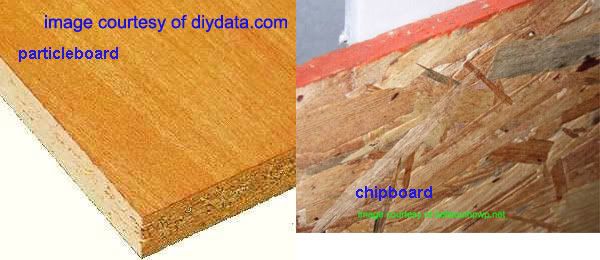
2. Particle board (sort of chipboard)
Poorest quality among ply wood & MDF, better than OSB imo. Bad, bad idea when use in Sink support, fish tank support. Also beware of kitchen top that use chip board (so call postforming- more on it later.) Also use in some laminated flooring.
3. OSB (real chipboard)
Real chipboard, not totally useless. Inexpensive, good sound insulation (that’s what I had heard) God bless u if u use it as cabinet.
I had read other thread in this forum about the confuse of ‘Solid plywood’.
So what exactly is ‘Solid ply’ & ‘non-solid ply’?
These need some explanation:
Back in the day when we cut strip of plywood & make it like a flame. Than paste with 3mm thin veneer (real wood veneer or none real wood veneer-more on this later) to both side to save material. This forms a hollow plywood; U knocks it, it will sound very hollow. (There are still a lot of these nowadays at smaller furniture shop.)
So some of us Interior designer/contractor in order to be better deal than other ID will emphasis that we use solid ply.
I won’t say this type of furniture is totally useless. Why not If u r looking for a lightly use cabinet & got a tight budget. At least it is cheap & still will last u several years.
Solid Plywood
Solid ply means whole piece of plywood (without cutting into flame) paste with veneer.
So plywood is just plywood, there actually no solid ply or non-solid ply. Just that what people make it into.
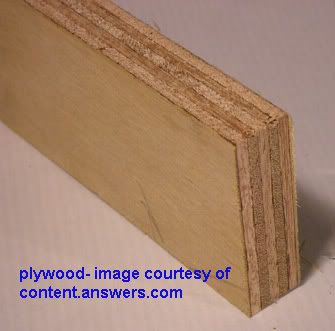
So that means if ur cabinet is not make by solid wood, chipboard, particle board & MDF it should be plywood right?
Wrong!
Recently things had changed (not sure since when it started), carpenter start to replace plywood with blockboard. Now 90% of custom furniture (just a guess) using blockboard instead of plywood cause it is lighter than ply wood hence easier to work with & handling than plywood so it had become the carpenter's choice.
Moreover it is slightly cheaper than plywood. (I don’t think all ID know this, usually the one that know well is the carpenter himself, not the ID.)
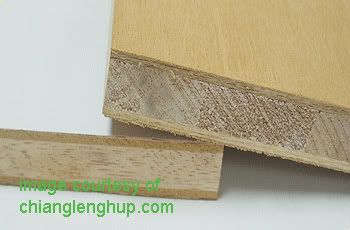
Blockboard
Made out of strip of core of tree, both side paste with a thin layer of ply (3mm?).
Lesser quality than plywood (that’s what I heard from a senior carpenter) because the core of tree is softer than the main body.
Frankly speaking, I’m not sure which is better, Blockboard or plywood cause I never seen a blockboard or work with it back in my carpentry day but too bad cause most price listed as per foot run for kitchen cabinet is not base on plywood.( I could be wrong.) Maybe the ID will need to up the price if u tells him u want ‘solid plywood’.
I believe there’s some pro & cons between the two, like hinges is attached more firmly in blockboard due to light weight? Which one more water resistant?
All & all I’m not too sure but I will take on plywood any day.
Veneer, laminate, post forming, what is that?
It is not too complicated, but still it is not too simple because we misused the word laminate. According to wikipedia, two or more layer of same or different material layer together is call laminate.
So plywood is also laminate.
Lets simplified it here; I will call those veneer, laminate, Formica etc a Skin.
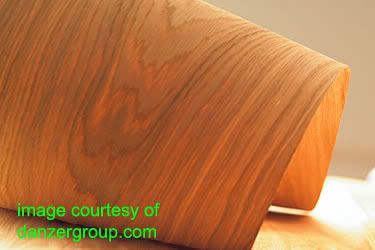
Veneer
Veneer is a thin slice of real wood but in the industrial there’s still ‘mainly’ two types of veneer- Real wood veneer & man-made veneer.
Real wood veneer comes in two forms. One in a roll form (less than 1mm that could cut into strips & later paste at the edge of a said plywood. One comes in 3mm-3.6mm thickness sheet. It is also a 1mm less wood veneer but pre pastes into 3mm ply in factory.
Man-made veneer (Engineered veneer) could be a sheet of printed paper or PVC etc (I’m not too sure what some of the material used) that still could look like wood veneer but less the nice real wood grain.
Laminate
I like to call all laminate, Formica, polyester, PVC what ever unknown material other than real wood- laminate.
Postforming
This term was misused too. Postforming actually means a type of technology to laminate- using heat & pressure to bend the finishing layer (laminate sheet) to the material (example plywood).
It could be Postforming to chipboard too. That’s why a Postforming kitchen top could be chipboard, particle board, plywood etc.
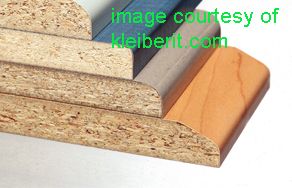
One thing for sure is that the laminate use in postforming top is good as kitchen top because of its heat resistance, water resistance & scratch proof.
1: Solid wood – refer to real wood that chop down from tree (wood log), that cut to plank & timber. Example: Teak wood(use in Balinese furniture & good in outdoor & ship/boat cause of good withstand to weather & moisture), oak wood(some make it to kitchen cabinet but easily cost around 15k in local), cherry wood, pine wood(soft wood) etc etc.
Solid wood is expensive & require high skill to make into furniture cause wood move (shrink & expand according to humidity), warp, tear etc & it is expensive.
That’s why we mostly use ply wood nowadays for cabinet. As for chair, bench, & some table we still use real wood for its strength.
If u thinks that all ur cabinet is making with ply wood… think again. Don’t forget there’s ‘chipboard’ & MDF (medium density fiberboard).
2. Particle board (sort of chipboard)
Poorest quality among ply wood & MDF, better than OSB imo. Bad, bad idea when use in Sink support, fish tank support. Also beware of kitchen top that use chip board (so call postforming- more on it later.) Also use in some laminated flooring.
3. OSB (real chipboard)
Real chipboard, not totally useless. Inexpensive, good sound insulation (that’s what I had heard) God bless u if u use it as cabinet.
I had read other thread in this forum about the confuse of ‘Solid plywood’.
So what exactly is ‘Solid ply’ & ‘non-solid ply’?
These need some explanation:
Back in the day when we cut strip of plywood & make it like a flame. Than paste with 3mm thin veneer (real wood veneer or none real wood veneer-more on this later) to both side to save material. This forms a hollow plywood; U knocks it, it will sound very hollow. (There are still a lot of these nowadays at smaller furniture shop.)
So some of us Interior designer/contractor in order to be better deal than other ID will emphasis that we use solid ply.
I won’t say this type of furniture is totally useless. Why not If u r looking for a lightly use cabinet & got a tight budget. At least it is cheap & still will last u several years.
Solid Plywood
Solid ply means whole piece of plywood (without cutting into flame) paste with veneer.
So plywood is just plywood, there actually no solid ply or non-solid ply. Just that what people make it into.
So that means if ur cabinet is not make by solid wood, chipboard, particle board & MDF it should be plywood right?
Wrong!
Recently things had changed (not sure since when it started), carpenter start to replace plywood with blockboard. Now 90% of custom furniture (just a guess) using blockboard instead of plywood cause it is lighter than ply wood hence easier to work with & handling than plywood so it had become the carpenter's choice.
Moreover it is slightly cheaper than plywood. (I don’t think all ID know this, usually the one that know well is the carpenter himself, not the ID.)
Blockboard
Made out of strip of core of tree, both side paste with a thin layer of ply (3mm?).
Lesser quality than plywood (that’s what I heard from a senior carpenter) because the core of tree is softer than the main body.
Frankly speaking, I’m not sure which is better, Blockboard or plywood cause I never seen a blockboard or work with it back in my carpentry day but too bad cause most price listed as per foot run for kitchen cabinet is not base on plywood.( I could be wrong.) Maybe the ID will need to up the price if u tells him u want ‘solid plywood’.
I believe there’s some pro & cons between the two, like hinges is attached more firmly in blockboard due to light weight? Which one more water resistant?
All & all I’m not too sure but I will take on plywood any day.
Veneer, laminate, post forming, what is that?
It is not too complicated, but still it is not too simple because we misused the word laminate. According to wikipedia, two or more layer of same or different material layer together is call laminate.
So plywood is also laminate.
Lets simplified it here; I will call those veneer, laminate, Formica etc a Skin.
Veneer
Veneer is a thin slice of real wood but in the industrial there’s still ‘mainly’ two types of veneer- Real wood veneer & man-made veneer.
Real wood veneer comes in two forms. One in a roll form (less than 1mm that could cut into strips & later paste at the edge of a said plywood. One comes in 3mm-3.6mm thickness sheet. It is also a 1mm less wood veneer but pre pastes into 3mm ply in factory.
Man-made veneer (Engineered veneer) could be a sheet of printed paper or PVC etc (I’m not too sure what some of the material used) that still could look like wood veneer but less the nice real wood grain.
Laminate
I like to call all laminate, Formica, polyester, PVC what ever unknown material other than real wood- laminate.
Postforming
This term was misused too. Postforming actually means a type of technology to laminate- using heat & pressure to bend the finishing layer (laminate sheet) to the material (example plywood).
It could be Postforming to chipboard too. That’s why a Postforming kitchen top could be chipboard, particle board, plywood etc.
One thing for sure is that the laminate use in postforming top is good as kitchen top because of its heat resistance, water resistance & scratch proof.
Subscribe to:
Posts (Atom)
Popular Posts
-
Wall tiles refinished (without the hacking works) in custom-blended creamish almond colour. Views of bedroom passageway: Paint colour: Mag...
-
1. Hong Liang 2. Lee Meng trading 3. Mega Discount Store @ Katong Mall (look for Veron) 1) MEGA DISCOUNT STORE PTE LTD Add: 112 East Coast R...
-
make a call to James at Hong Liang (Alexandra), Alice at Kong Tai (Jurong West) or Lewis Goh of Mega DIscount (Katong Mall) and compare the ...
-
Kitchen Countertops, Counter Top Solid Surface, Quartz Surface, Resin & Glass Options --a comprehensive list of options ...
-
1. Rozel by JKL Furnishing, L2-L4, Blk E, Complex Lian Hoe, Taman Sentosa. Tel: 07-3358850 2. Lot, L2-JA5, Southern City Hypermarket, No. 3,...
-
When designing a lighting plan for a living room or family room, you need to consider the variety of activities that occur there. You'll...
-
Going to the Mattresses How to cut through the marketing gimmicks of Sealy, Serta, and the rest. By Seth Stevenson Posted Thursday, Nov. 23,...


 Posts
Posts


